
Traffic Rules in Bali: What Tourists Need to Know Before Renting Transport
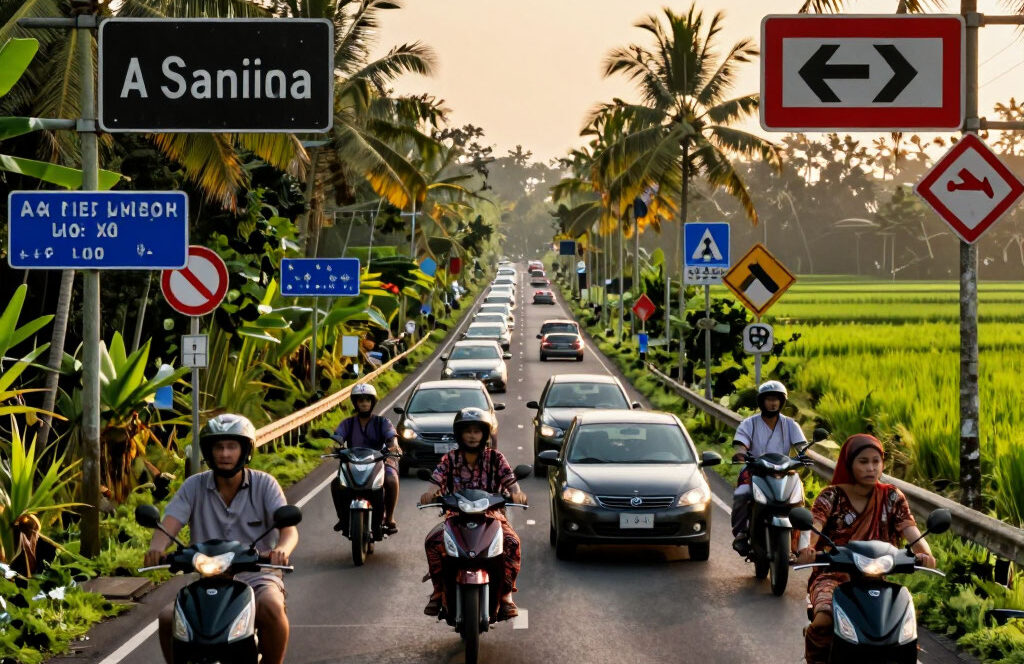
Many tourists prepare for renting transport in Bali by checking prices, choosing a model, and roughly planning a route. But it is even more important to understand the basic logic of traffic on the island in advance. Even if you have driving experience, the local road environment may be very different from what you are used to. The better you understand both the official rules and the unwritten realities beforehand, the calmer the trip will be.
The first thing to adapt to is left-hand traffic. In theory this sounds simple, but in practice it affects everything: turns, lane changes, exits from side roads, overtaking, and your general sense of space on the road. During the first few days, tourists often have to monitor themselves constantly, especially if they are used to driving on the right. This is exactly the phase where mistakes happen most often.
The second point is the character of the traffic flow. Bali has many bikes, dense urban sections, local-style maneuvers, and less predictability than roads where traffic is more formalized. It is important not to try to teach the flow a lesson or drive as if everyone around you must follow the logic you are familiar with. The working strategy here is attention, moderate speed, and a constant reserve of space.
At intersections and in dense areas, priority does not always feel the way a tourist expects. That is why it is more useful to rely not on the feeling that I am right, but on the actual road situation. Who has already started moving, where the safer path is, where a bike might suddenly appear, and how visible the road is – these questions matter more in Bali than mechanically following habits from home. That is the difference between knowing the rules on paper and driving safely in reality.
Speed limits and penalties should not be ignored either. Even if someone says that everyone drives however they want here, tourists are better off choosing the most disciplined approach possible. Slower does not mean worse. On unfamiliar roads, moderate speed gives you more time to react and lowers the chance of mistakes. This matters especially in the rain, at night, and in heavy traffic.
| Aspect | Description (EN) | Recommendation for Tourists |
|---|---|---|
| Driving Side | Left-hand traffic. Affects reflexes during turns and overtaking. | Ride slower than the flow for the first 2-3 days, consciously checking mirrors. |
| Traffic Flow | Scooter dominance, high density, maneuvers without signals. | Do not try to “educate” others. Move predictably, avoid sudden accelerations. |
| Intersection Priority | Priority goes to the one who has already taken the trajectory or is in the blind spot. | Slow down to zero if visibility is poor. Look left AND right-behind for overtaking scooters. |
| Speed Limits | Formally 30-60 km/h in built-up areas. Tourists often speed and lose control. | Maintain 30-40 km/h on narrow streets. Braking distance doubles/triples on wet tiles. |
| Police Checks | Frequent at main tourist hubs: Canggu, Ubud, Bukit. | Possess an A/M license, helmet, and vehicle registration (STNK). Calmness and politeness de-escalate situations. |
Roadside checks happen from time to time, and it is best to treat them calmly. If your documents are in order, you have a helmet, and your riding style is careful, these situations do not become a problem. But if a driver sets off relying on luck, inspections are exactly the moment when the holiday stops feeling relaxed. That is why questions of documents, category, and overall compliance should be solved in advance.
It is also worth mentioning the most common mistakes tourists make. The main ones are overestimating their skills, riding too fast in an unfamiliar environment, making sharp maneuvers, underestimating wet roads, and driving in difficult conditions without enough experience. Another mistake is choosing transport simply because everyone else does it, without asking whether it really suits you.
The main practical conclusion is this: in Bali, it is not just about memorizing a list of rules, but about accepting the local reality and riding with a margin of caution. If you understand the basics, do not fight the road environment, and assess your abilities honestly, renting transport becomes much calmer. And if you lack confidence, it is always better to choose a simpler and safer way to get around.

Would you like to comment?