
Best Areas in Bali for Car Rental: Where a Car Is Truly Worth It
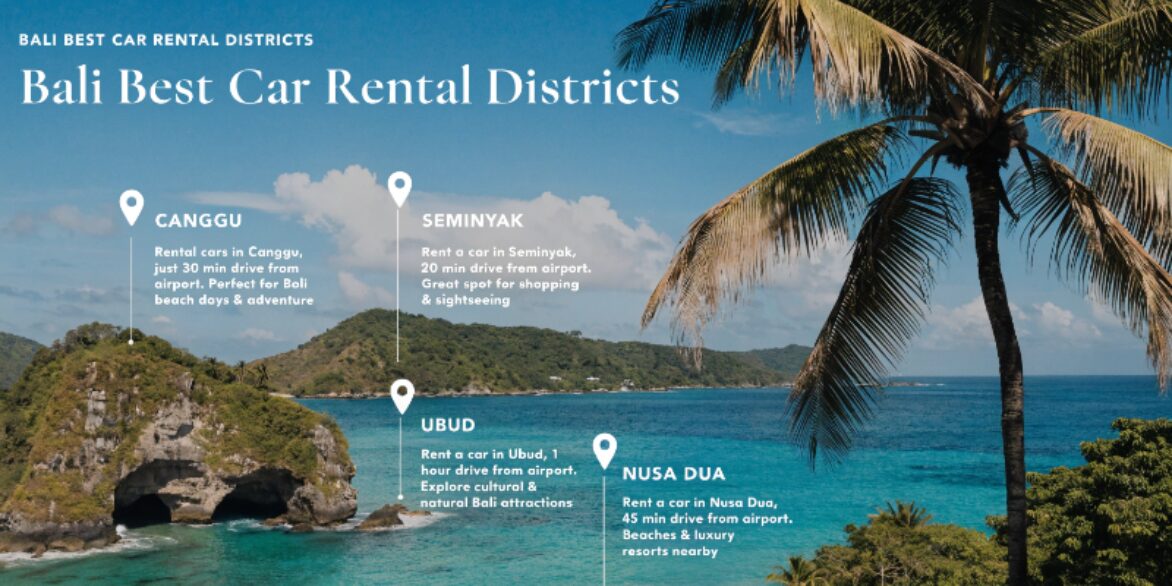
A car is not equally necessary everywhere in Bali. That matters because transport here should be chosen not out of habit, but according to where you stay and how you plan to relax. In one area a car genuinely makes the trip easier; in another it may only be useful on certain days. The more precisely you connect your transport choice to the location, the fewer unnecessary costs and inconveniences you will face.
| Area | Location Type | Road Conditions | Is a Car Needed? | What to Choose & Why |
|---|---|---|---|---|
| Canggu | Beach, hipster, surf spot | Narrow streets, chaotic traffic, constant jams in peak season. Parking is a major issue. | ❌ NO (even counterproductive) | A scooter is king in Canggu. A car will get stuck in traffic with nowhere to park. For longer trips — Grab/Gojek or a one-day car rental. |
| Seminyak | Premium shopping, dining, beach | Dense traffic, narrow streets, especially around Kayu Aya. Parking is expensive and limited. | ❌ NO | Walk + taxi/Gojek. Everything is within walking distance inside the area. A car creates more problems than it solves. |
| Kuta | Party hub, budget, beach | Busy roads, lots of tourists, chaotic movement. Beach parking is difficult. | ❌ NO | Scooter or walking. Kuta is compact, and traffic jams can ruin the experience. A car is only justified for an airport transfer. |
| Ubud | Cultural center, rice terraces, jungle | Center — traffic jams and narrow streets. Outskirts — mountain winding roads and unpaved paths. | ✅ YES (for outskirts) | In the center — scooter only. For trips to waterfalls, Mount Batur, or Sidemen — a car is essential. |
| Bukit / Uluwatu | Cliff beaches, surfing, hillside villas | Good main roads but steep ascents and descents. Many unpaved roads to secluded beaches. | ✅ YES (recommended) | Distances are long, terrain is challenging. Riding a scooter uphill with a passenger is tough. A car with a driver is an excellent option for cliffside trips. |
| Sanur | Quiet, family-friendly, promenade | Flat roads, moderate traffic, bike lanes available. Beach parking is paid but accessible. | ❌ NO (for staying) | Walk or bicycle. A 5 km promenade runs along the beach. For trips to other areas — taxi or one-day car rental. |
| Nusa Dua | Resort area, 5* hotels, golf | Wide, well-maintained roads, few jams. Mandara toll road to the airport. | ⚡ OPTIONAL | If staying at a resort and not venturing out — taxi is fine. For island excursions — car with driver (comfort and no parking worries). |
| North & East Bali | Mountains, volcanoes, diving, wild beaches | Open roads, less traffic, but mountain winding roads and unpaved sections. | ✅✅ DEFINITELY YES | A car is the only comfortable way. Almost no public transport, taxis are expensive and scarce. Choose an SUV (Innova, Fortuner). |
Canggu and Seminyak are often seen as places where a bike is more convenient because of dense traffic and a busy urban environment. That is true when we are talking about short trips within the area, a couple without luggage, and a flexible schedule. But once longer outings, family travel, beach trips with bags, restaurants in other parts of the island, or daily drives to several locations appear, a car starts to win. It becomes especially useful on packed days and in bad weather.
Ubud is a very different scenario. Many trips there revolve around a slower rhythm, villas, scenic spots, restaurants, spas, and drives around the surrounding area. If you stay outside the very center, a car often feels more convenient from the beginning. Roads may be narrower, routes longer, and transfers less spontaneous. For couples, families, and travelers who want to explore without depending on weather or time of day, a car in Ubud often feels like the logical choice.
Sanur and Nusa Dua usually suit travelers who prefer a calmer type of holiday. Here a car is especially practical for families, guests with children, older travelers, and people who plan their island trips in advance. A roomy cabin, trunk space, air conditioning, and the ability to move comfortably between locations make car rental more convenient than constant reliance on a bike or taxis.
The Bukit area is a category of its own. It is beautiful and full of route options, but the distances between beaches, restaurants, and villas are often underestimated. If you plan to explore the area actively, visit several beaches in one day, carry things with you, and return in the evening, a car offers much more convenience, especially if you are with family or friends. These routes are still possible on a bike, but the level of comfort and route stability will be lower.
There is also a universal rule: the farther your accommodation is from a dense urban area, the more valuable a car becomes. Villas outside the main streets, family residences, and quiet neighborhoods with limited infrastructure nearby all make a car more useful. You depend less on local services and have more control over your day.
At the same time, renting a car does not automatically mean you need it for the entire holiday. Given that the minimum rental period is often a week, this format usually makes the most sense when you are staying at least that long and already know that longer transfers, family outings, or multi-area routes are part of the plan. If your needs are purely local, there is no reason to force a car into the trip unless the scenario really justifies it.
The conclusion is simple: the real question is not whether a car is needed in Bali at all, but where exactly you are staying and how you plan to spend your holiday. If the area involves longer transfers, family travel, carrying gear, or the desire to explore the island without limits, a car becomes not a backup option, but a genuinely useful part of the trip.

Would you like to comment?